Bal manuhar for the wedding card: lines for bua, didi, mama and chacha
13 min read · Updated
बाल मनुहार is the last thing printed on a Hindi or Marwari shadi card, and very often the first thing guests read: a line or two from the little ones of the house, coaxing you to come to their bua's or mama's wedding, signed with their names. Below are lines for every relation, rhyming ones, funny ones, a few in Marwari, and the same lines in English letters and in English, to copy and sign with your own children's names.
What bal manuhar is, and where it goes in a shadi card
Manuhar is a Rajasthani word for coaxing someone with love, the way a Marwari host keeps putting one more puri on your plate however much you protest. बाल मनुहार is that same coaxing from the children: a line in their voice telling you that their bua's or mama's wedding simply cannot happen without you. Gujarati families print something very like it and call it the tahuko; our kankotri guide has those lines.
- It usually comes last, after स्वागतोत्सुक, usually in smaller type or in a little box of its own at the foot of the card.
- The heading is usually बाल मनुहार. Some cards say मीठी मनुहार instead, and Marwari cards sometimes just say मनुहार.
- It is one or two lines, rarely more. One line is plenty; two if two sets of children want their say.
- It is signed with the children's names, pet names too. Many cards put a few words before the names, like आपके इंतज़ार में or आपकी राह देखते.
- The bride's card is signed by her nephews, nieces and younger brothers and sisters, the groom's card by his. Each side usually prints its own.
निवेदक: श्रीमती सुनीता एवं श्री राजेश अग्रवाल स्वागतोत्सुक: विकास, प्रिया, अंकित, स्नेहा बाल मनुहार: बुआ की शादी की तैयारी में हम बच्चे सबसे आगे हैं, आप भी जल्दी आ जाइए! — आपके इंतज़ार में: पीहू, आरव
The lines that people remember are the ones with one true thing in them: the niece who has practised the same sangeet song for a month, the nephew who has tried on his sherwani three times already. Take any line below and swap in something your own child would say. For the rest of the card, from श्री गणेशाय नमः down, see shadi card matter in Hindi, and for Marwari cards in particular, Marwari wedding card matter.
Whether there is a bal manuhar at all, what it is headed and which children sign it changes from family to family, and between Rajasthani, UP, MP and Bihar homes. Read the draft out to the eldest woman in the house before it goes to the press. She will know whose child must not be left out.
Bal manuhar for the bride's wedding: bua, didi and mausi
On the bride's card the children who sign are the ones she has spoilt most: her brother's children, who call her बुआ (भुआ in many Marwari homes), her sister's children, who call her मौसी or मासी, and her younger brothers and sisters, for whom she is दीदी or जीजी.
बुआ की शादी की तैयारी में हम बच्चे सबसे आगे हैं, आप भी जल्दी आ जाइए! — आपके इंतज़ार में: पीहू, आरव बुआ के साथ सबसे पहले मेहंदी मैं ही लगवाऊँगी, आप भी समय पर आ जाना! — आपकी राह देखते: अनाया बुआ की शादी में डीजे पर सबसे पहले मैं नाचूँगा, आप देर मत करना! — अद्विक हमारी बुआ अब ससुराल जा रही हैं। उन्हें हँसी-ख़ुशी विदा करने आप सब ज़रूर आइएगा। — पीहू, आरव, अनाया
दीदी की शादी में आपके बिना मज़ा नहीं आएगा, ज़रूर पधारिए। — आपकी राह देखते: तनु, गोलू जीजी की विदाई से पहले उनके साथ ख़ूब नाचना है, आप भी आ जाना! — छोटी बहन: सिया मेरी दीदी दुल्हन बनकर कैसी लगेंगी, यह देखने आप सबसे पहले आना! — छोटा भाई: कुणाल
नानी के घर मौसी की शादी है, हम तो एक हफ़्ता पहले ही पहुँच जाएँगे। आप कब आ रहे हैं? — काव्या, ईशान मौसी का लहंगा सँभालने की ज़िम्मेदारी मेरी है, आप देखने ज़रूर आना! — आपकी राह देखते: अवनी मौसी की हल्दी में सबसे ज़्यादा हल्दी मैं ही लगाऊँगा, आप भी आ जाना! — ईशान
Bal manuhar for mama's wedding card
The groom's sister's children, his भांजे and भांजियाँ, call him मामा, and for them the wedding is mostly about the घोड़ी, the बारात and the new मामी coming home. The card is sent by their nana and nani, so a line about the nani's house sits well.
मामा के सिर पर सेहरा देखने का हमें कब से इंतज़ार था, अब आप भी आ जाइए! — आपकी राह देखते: मिष्टी, विहान हमारी नई मामी आ रही हैं! उनके स्वागत में आप सब ज़रूर पधारें। — भांजे-भांजी: विहान, मिष्टी मामा की बारात में बैंड वाले अंकल को मैंने अपनी पसंद के गाने बता दिए हैं, आप बस समय पर पहुँचना! — आरव नानी कहती हैं मामा की शादी में पूरा मोहल्ला नाचेगा, आप भी पीछे मत रहना! — आपके इंतज़ार में: रिद्धि नाना-नानी के घर मामा की शादी के लड्डू बन रहे हैं, चखने आप भी आ जाइए! — भांजी: परी मामा-मामी की जोड़ी को आशीर्वाद देने आप सपरिवार ज़रूर पधारें। — मामा के सारे भांजे-भांजियाँ
In many families a small boy of the house, often a nephew or the groom's little brother, rides the घोड़ी with the groom as his सहबाला (sarbala in Punjabi homes). If yours does, put it in the line: nothing makes a child prouder than seeing that on the card.
Bal manuhar for chacha's and bhaiya's wedding
His brother's children call him चाचा or चाचू (काका, काकाजी or काकोसा in many Marwari homes), and his own younger brothers and sisters call him भैया. These lines are usually about the बारात, the band and the new चाची or भाभी.
चाचू की शादी है और घर में नई चाची आ रही हैं, उनके स्वागत में आप ज़रूर आइएगा! — अद्विक, काव्या चाचू ने वादा किया है कि बारात में मुझे सबसे आगे नाचने देंगे, आप भी साथ आना! — आपके इंतज़ार में: वेदांत चाचू की बारात में ढोल पर पहला ठुमका मेरा होगा, आप भी साथ नाचिएगा! — भतीजी: आन्या
भैया की शादी में भाभी का स्वागत करने आप सब ज़रूर पधारें। — छोटी बहन: इशिता भैया दूल्हा बनेंगे और मैं उनके साथ घोड़ी पर बैठूँगा! आप यह देखने ज़रूर आना। — छोटा भाई: चिंटू भैया की बारात में नाचने का पूरा इंतज़ाम है, बस आपकी कमी है! — आपकी राह देखते: रिया, कुशल
Bal manuhar shayari in Hindi, to copy
If your family likes a rhyme, a two-line bal manuhar reads well and children love saying it at the door. These were written for this page, in a child's voice. The verses for the rest of the card, for the top and for the parents' closing, are in shadi card shayari.
बुआ की शादी है, सज गया है द्वार, आप आएँगे तो खिल उठेगी बहार। — आपके इंतज़ार में: पीहू, आरव दीदी बनेंगी दुल्हन, पहनेंगी लाल जोड़ा, आप सब आ जाना, समय निकालकर थोड़ा। — छोटी बहन: सिया मौसी की शादी में नानी का आँगन सजेगा, आप सब आएँगे, तभी तो ढोल बजेगा! — काव्या, ईशान
मामा के सिर पर सजेगा सेहरा, आप आएँगे तो खिल उठेगा हर चेहरा। — भांजे-भांजी: विहान, मिष्टी सज-धज के निकलेंगे चाचू, घोड़ी पर होंगे सवार, आप भी बारात में नाचिए, यही है हमारी मनुहार। — अद्विक, आन्या भैया की शादी में हम सब करेंगे धमाल, आप न आए तो हमें रहेगा बड़ा मलाल! — छोटे भाई-बहन: कुशल, रिया
छोटे-छोटे हाथों से भेजी है ये मनुहार, आपके आने से ही पूरा होगा ये त्योहार। — घर के नन्हे-मुन्ने: पीहू, आरव, अनाया मीठी-सी मनुहार है, मीठा-सा है बुलावा, आप न आए तो रूठेंगे, ये है पक्का दावा! — घर के सारे बच्चे
Funny bal manuhar lines
A funny bal manuhar works when it sounds like something your child would really say at the dinner table. Tease the bride or groom, or your own family, never the other side, because they read the card too.
दीदी की शादी के बाद उनका कमरा मेरा हो जाएगा! इस ख़ुशी में आप भी शामिल होइए। — छोटा भाई: चीकू मामा की शादी तय होने पर नानी ने चैन की साँस ली है, अब आप भी आकर बधाई दे दीजिए! — भांजा: युवान बुआ की शादी का खाना बहुत बढ़िया बनने वाला है, हलवाई भैया की मिठाई मैंने पहले ही चख ली है! आप भूखे पेट आना। — आरव भैया की बारात में नागिन डांस मेरा पक्का है, आप ताली बजाने ज़रूर आना! — छोटा भाई: गोलू जीजाजी, जूते सँभालकर रखना! बाक़ी सब लोग समय पर पहुँच जाना। — दीदी की छोटी बहनें: रिया, सिया
The last one is for the bride's card: in many families her sisters and cousins slip the groom's shoes away while he sits in the mandap for the pheras, and give them back only for a neg. Keep the cheekiest lines for the WhatsApp message if the elders on your side would frown at them in print.
Bal manuhar in Marwari
On many Marwari cards the manuhar is in Marwari itself, the way the children talk at home. Here are a few simple lines. They are spelt the way Marwari is usually printed, without the dots of Hindi (जरूर, मजो). Marwari shifts from Jodhpur to Bikaner to Shekhawati, so let an elder say the line the way your house says it before you print it.
म्हारी भुआ रो ब्याव है, थे जरूर-जरूर पधारजो। — पीहू, आरव म्हारा मामा रो ब्याव है, थे सगळा जरूर पधारजो। — मिष्टी, विहान काकोसा री बारात में थे भी पधारजो, घणो मजो आसी! — अद्विक
Bal manuhar in English letters, and in English
Bal manuhar for a wedding card in English can mean two things: the Hindi line written in English letters, for WhatsApp and for cousins who speak Hindi but don't read Devanagari, or the line translated, for an English card or for friends who don't speak Hindi. Here are both.
Bua ki shaadi ki taiyaari mein hum bachche sabse aage hain, aap bhi jaldi aa jaiye! — Aapke intezaar mein: Pihu, Aarav Didi ki shaadi mein aapke bina maza nahi aayega, zaroor padhariye. — Aapki raah dekhte: Tanu, Golu Mama ke sir par sehra dekhne ka humein kab se intezaar tha, ab aap bhi aa jaiye! — Aapki raah dekhte: Mishti, Vihaan Chachu ne vaada kiya hai ki baraat mein mujhe sabse aage naachne denge, aap bhi saath aana! — Aapke intezaar mein: Vedant
Mama ke sir par sajega sehra, Aap aayenge to khil uthega har chehra. — Vihaan, Mishti Saj-dhaj ke niklenge chachu, ghodi par honge sawaar, Aap bhi baraat mein naachiye, yahi hai hamari manuhar. — Advik, Anya Meethi-si manuhar hai, meetha-sa hai bulaava, Aap na aaye to roothenge, ye hai pakka daava! — Ghar ke saare bachche Didi ki shaadi ke baad unka kamra mera ho jaayega! Is khushi mein aap bhi shaamil hoiye. — Chhota bhai: Cheeku
We kids are ahead of everyone in getting ready for Bua's wedding. Please come early too! — Waiting for you: Pihu and Aarav We have waited so long to see Mama in his sehra. Now you have to come too! — Mishti and Vihaan Chachu has promised I can dance right at the front of the baraat. Please come along too! — Waiting for you: Vedant Once Didi is married, her room is mine! Come and share in my happiness. — Cheeku, her little brother
Our Bua's getting married, the house is full of cheer, It won't feel like a party until you're standing here. — Pihu and Aarav Mama's on the ghodi and the band has started to play, Come and dance beside us, it's Mama's wedding day! — Mishti and Vihaan
A short bal manuhar for WhatsApp
On the card the bal manuhar is one line at the bottom. On WhatsApp it can carry the whole invitation: send the link with a few words in the child's voice, or let the child record it as a voice note and send that with the link. Grandparents play those again and again.
प्रणाम नानाजी! 🙏 मेरी बुआ की शादी रविवार, 7 फ़रवरी को जयपुर में है। सारे कार्यक्रम और रास्ते का नक़्शा इस लिंक में हैं। आप ज़रूर आना, मैं इंतज़ार करूँगी! — पीहू ananya-arjun.invitationtales.com
Namaste Chachi! 🙏 Mere Mama ki shaadi Sunday, 7 February ko Jaipur mein hai. Saare functions, timings aur map is link mein hain. Aap zaroor aana, main wait karungi! — Mishti ananya-arjun.invitationtales.com The countdown to Bua's wedding has started and I'm in charge of inviting you! Please come on Sunday, 7 February. — Pihu ananya-arjun.invitationtales.com
For messages from the parents, worded for elders, cousins and office friends, see WhatsApp wedding invitation messages.
Bal manuhar on a wedding website
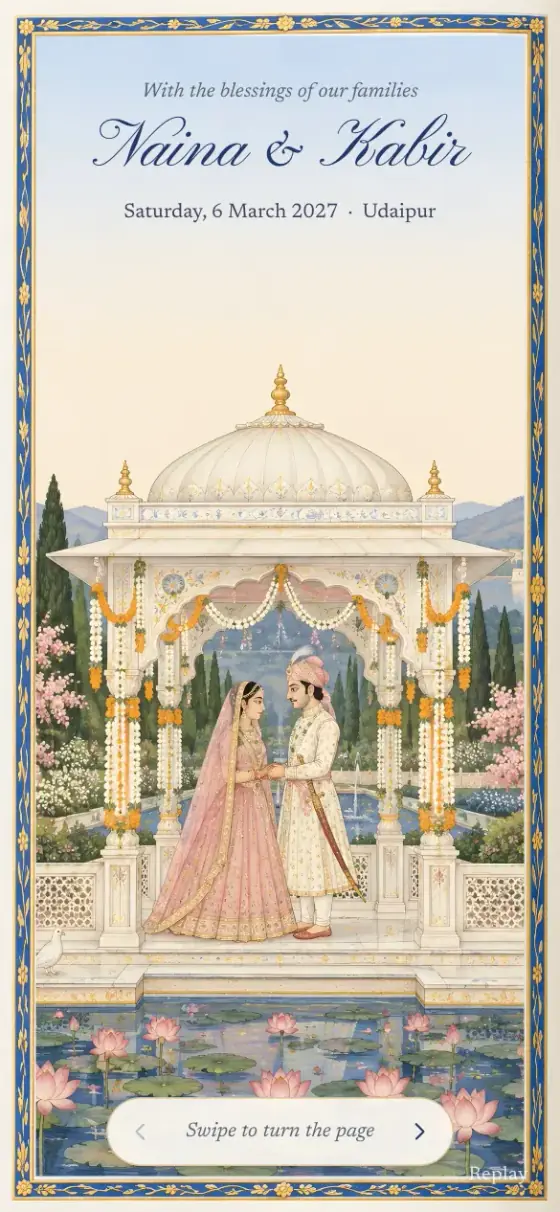
With a wedding website, the bal manuhar goes where guests read it first: in the message you send with the link, in the child's words and signed with their names. If your design ends on a note from you, add the children's line there as well, the way a card keeps it at the bottom.
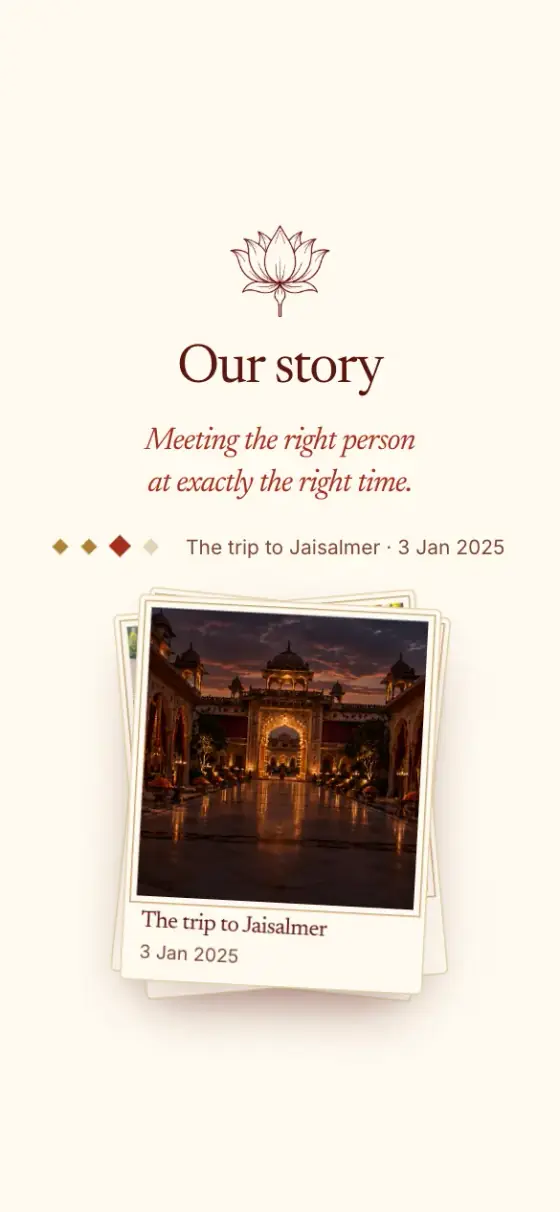
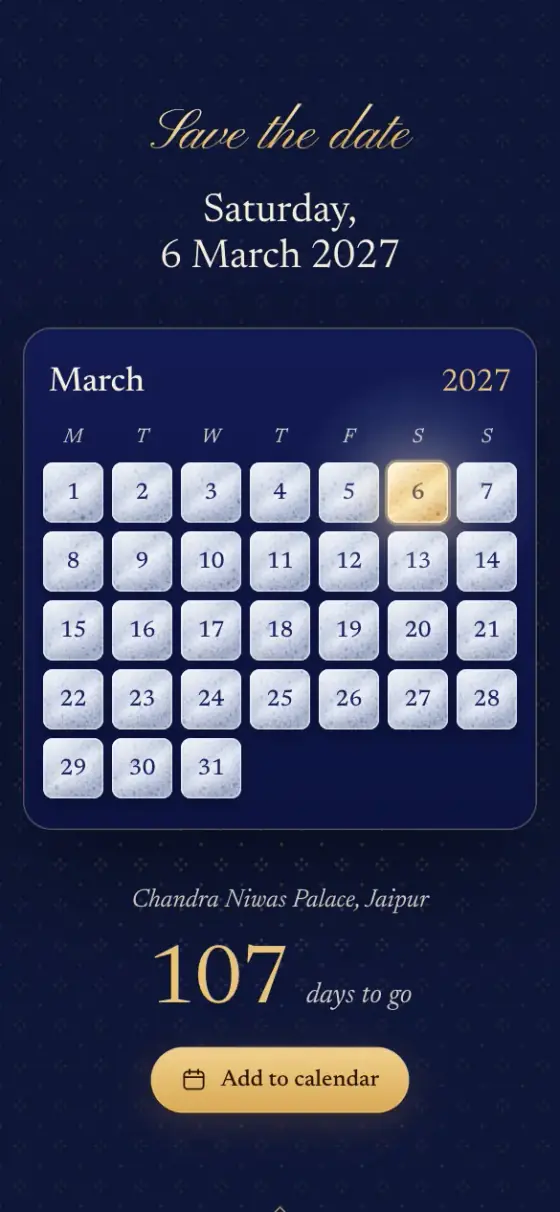
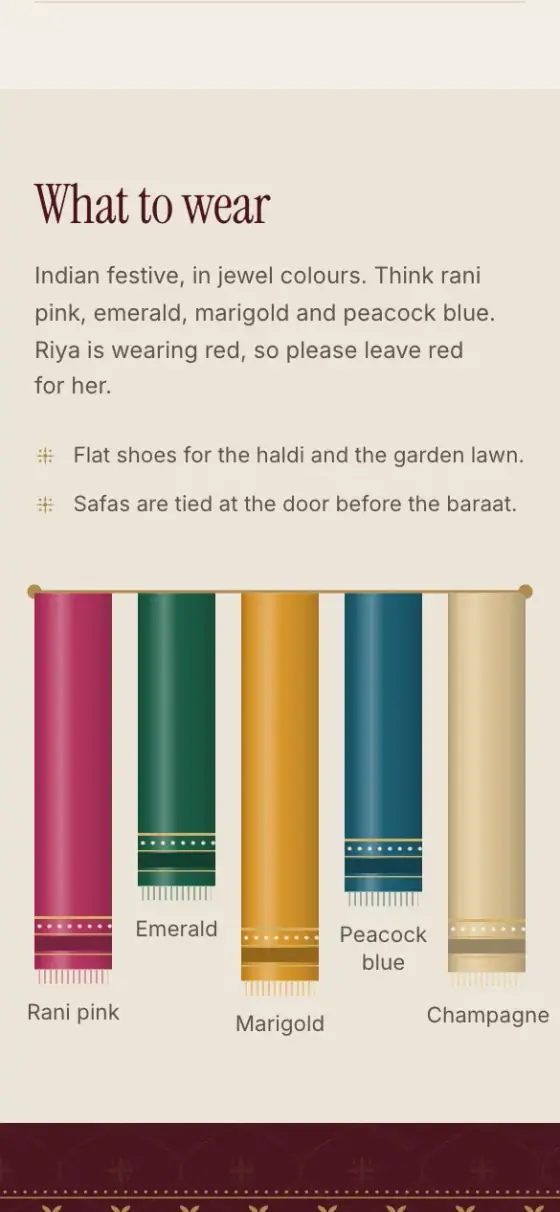
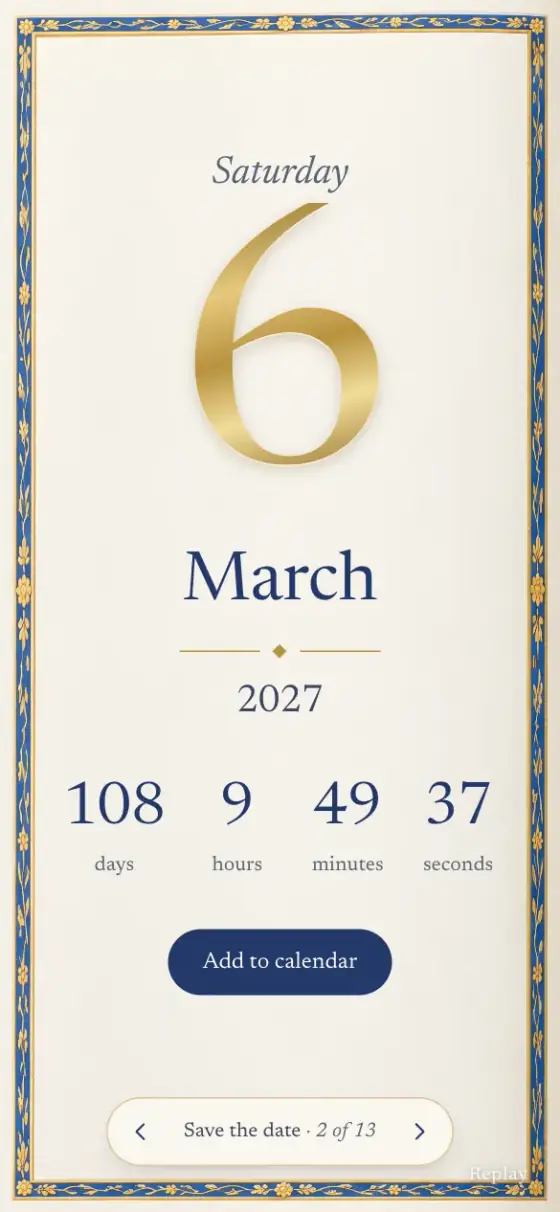
Sheesh Mahal ends on a letter from the two of you, a good home for a line from the children too. Royal Rajasthani opens on your photograph with your names across it, then your story, the venue, every function and the reply form, with Rajasthani line drawings and flowers that drift as guests scroll; send its link with the children's message above.